Big Game: The Bold Display Font for Creative Projects
Finding a typeface that balances personality with professionalism can feel like searching for a needle in a haystack. You want something that stands out, something that commands attention without sacrificing clarity. Big Game enters the conversation as a distinct decorative display font, designed specifically to inject energy and character into visual projects. It’s not meant for body text in a novel, but for the headlines, logos, and branding elements that need to make an immediate impact.
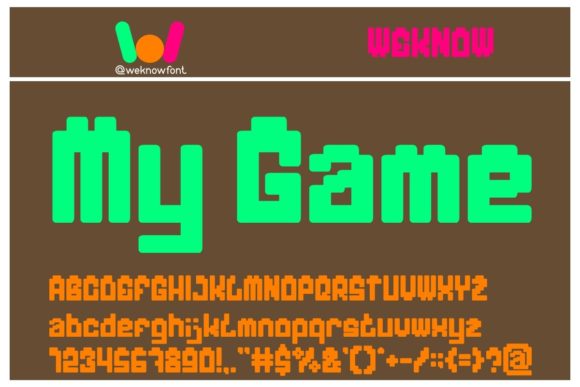
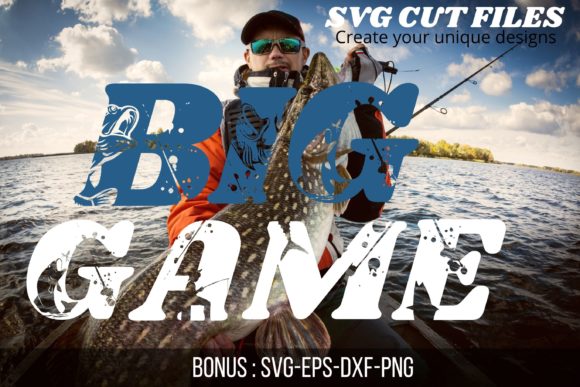
This particular typeface carries a robust, confident presence. Its visual characteristics often include strong, well-defined letterforms with a touch of stylistic flair—perhaps subtle details in the serifs, unique curve treatments, or a particular weight distribution that gives it a modern yet timeless feel. The overall appeal lies in its versatility within the display category. It can feel contemporary and clean for a tech startup's branding, or it can evoke a sense of crafted quality for artisanal product packaging. The personality of Big Game is assertive and engaging, making it a valuable asset when the goal is to create a memorable first impression.
Where a Display Font Truly Shines
Understanding where Big Game works best is key to unlocking its potential. As a display font, its primary role is to attract the eye at larger sizes. This makes it exceptionally well-suited for a range of applications across different mediums. In logo design, a unique typeface like this can become the cornerstone of a brand's visual identity, offering instant recognition. For editorial design, think magazine covers, feature article headers, or pull quotes that need to pop off the page.
Its strength extends into the digital realm. Social media graphics demand bold, readable typography to cut through the noise of a busy feed. Big Game can provide that necessary punch for Instagram posts, Facebook ads, or YouTube thumbnails. In web design, it’s perfect for hero sections, landing page headlines, and call-to-action buttons where driving user engagement is critical. For packaging design, it helps products stand out on a shelf, communicating the brand's ethos at a glance.
Beyond commercial use, the font finds a happy home in personal and creative projects. Imagine it on wedding invitations, greeting cards, or custom planners, adding a layer of sophistication or fun. Crafters and hobbyists can use it for scrapbooking, custom decals, or home decor projects. Its utility in advertising is clear, from digital banners to print posters, where a concise, powerful message needs a visual anchor.
Strategic Typography: More Than Just Letters
Choosing a font is a strategic decision that influences how your audience perceives your message. The right typeface contributes directly to visual hierarchy, guiding the viewer's eye to the most important information first. Big Game, with its inherent emphasis, naturally creates a strong primary level in that hierarchy. This improves readability for key headlines, not by being simple, but by being distinct and clear at a glance.
Your font choice is a core component of your brand identity. It sends signals about your brand's personality—whether it's innovative, reliable, playful, or luxurious. Using a consistent creative font like Big Game across your branding materials, from your website to your business cards, builds professionalism and recognition. Customers begin to associate that visual style with your business, fostering trust and familiarity.
Practical Guidance for Implementation
Integrating a new font into your workflow requires some practical consideration. First, evaluate the project fit. Does the tone of Big Game align with the message you're conveying? A bold, decorative font might be perfect for a gaming brand but less suitable for a conservative law firm's primary identity. Always test it in context.
Next, consider font pairing. A powerful display font like Big Game rarely works alone. It needs a complementary partner for body text. Typically, pairing it with a clean, neutral sans serif font or a classic serif font creates balance. The contrast allows the display font to stand out while ensuring longer text remains comfortable to read. For instance, you might pair Big Game with a font like Open Sans or Lora for paragraphs.
Review the font package carefully. What styles are included? Does it offer multiple weights (bold, regular, light) or alternate characters? These variations provide flexibility within your designs. Also, pay close attention to commercial licensing. If you plan to use Big Game for client work, merchandise, or in a logo that will be trademarked, you must ensure you have the appropriate license for commercial use. Most premium fonts come with clear licensing terms, but it's your responsibility to verify them.
Finally, test for readability across different sizes and backgrounds. A font that looks stunning on your desktop screen might lose its detail when scaled down for a mobile header or printed on textured paper. Mock up your designs in realistic scenarios to see how the font performs. By treating Big Game as a strategic design asset rather than just a decorative element, you can leverage its unique character to elevate your projects and connect more effectively with your audience.