Exploring the Bold Loopy Style of the Palmier Typeface
In the crowded landscape of modern typography, finding a typeface that balances personality with professionalism is a constant challenge for designers. Palmier enters the scene as a modern, bold loopy font that immediately captures attention. It is not just another display face; it is a design asset built for projects that demand a distinct voice. Whether you are crafting a new brand identity, designing a music cover, or laying out a sports magazine, Palmier offers a unique aesthetic that feels both contemporary and energetic. Its visual rhythm is designed to engage viewers, making it a strong candidate for anyone looking to move away from generic, overused fonts.
A Closer Look at Palmier’s Visual Character
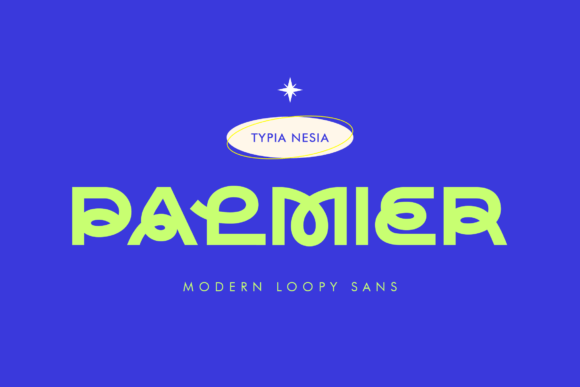
At its core, Palmier is defined by its bold strokes and looping, fluid connections. This isn't a rigid, geometric typeface. Instead, it embraces a sense of movement and confidence. The letterforms have a substantial weight, ensuring they hold their own in headlines and logos. The "loopy" quality refers to the way certain characters, particularly in lowercase, feature playful, curved extensions. This gives the font a human touch, preventing it from feeling sterile or overly mechanical.
The overall personality of Palmier is approachable yet assertive. It avoids the chaotic energy of a traditional script font while steering clear of the coldness of a standard sans serif font. It occupies a sweet spot, making it versatile for projects that need to feel modern, friendly, and dynamic. The design carries a certain optimism, making it well-suited for brands and creatives that want to project positivity and forward momentum. For designers evaluating a premium font, Palmier’s character is its primary selling point—it offers a voice that is hard to replicate with standard system fonts.
Practical Applications: Where Palmier Shines
Understanding a font’s visual style is one thing; knowing where to apply it is where the real value lies. Palmier’s bold and expressive nature makes it a standout choice for a wide range of creative and commercial projects. Its strength lies in applications where first impressions and emotional connection are paramount.
Branding and Logo Design
For logo design, Palmier can serve as the cornerstone of a visual identity. Its distinctive loops make it highly recognizable, which is crucial for building brand recall. It works exceptionally well for startups, lifestyle brands, creative agencies, and personal brands that want to appear innovative and approachable. A logo set in Palmier can communicate a brand’s personality in an instant—whether that’s playful, confident, or cutting-edge. It’s the kind of typeface that helps a brand stand apart from competitors using more conventional serif fonts or generic sans serifs.
Editorial and Publishing
In the world of editorial design, Palmier can inject energy into layouts. Think of a magazine cover title that needs to grab attention on a crowded newsstand, or a book cover for a contemporary fiction or business title. Its bold weight ensures legibility at a distance, while its unique style adds a layer of sophistication and interest. For publishers and content creators, using Palmier for headlines and pull quotes can break up the monotony of body text, creating a more engaging reading experience and establishing a clear visual hierarchy.
Digital and Marketing Collateral
The digital space is where Palmier’s modern flair truly excels. For web design, it can be used strategically for hero sections, buttons, and key calls-to-action to guide user behavior. Its personality makes it a perfect fit for social media graphics, where standing out in a fast-scrolling feed is essential. In modern advertising design, from digital ads to posters, Palmier helps craft messages that feel fresh and relevant. For the gaming and music industries, its bold, sporty vibe can enhance album art, event posters, and promotional materials, resonating with audiences who value style and energy.
Integrating Palmier into Your Design Workflow
Choosing a creative font like Palmier is just the first step. Effectively integrating it into your projects requires a thoughtful approach to ensure it enhances, rather than overwhelms, your design. Here is some practical guidance for designers, marketers, and business owners.
Evaluating Fit and Font Pairing
Before committing to Palmier, consider your project’s goals and audience. Is the tone modern and energetic? Does the brand personality align with the font’s bold, loopy character? It’s often helpful to mock up a few key elements—a headline, a logo, a social media post—to see how it feels in context. A critical aspect of using a display font like Palmier is font pairing. Its strong personality means it pairs best with more neutral, supporting typefaces. A clean, geometric sans serif font for body copy or a simple serif font can provide excellent contrast, allowing Palmier to command attention in headlines without creating visual clutter. The goal is balance, not competition.
Readability and Hierarchy
While Palmier is designed for impact, readability should always be a consideration, especially for longer text. It is not intended for body copy. Use it for short, impactful text: titles, headers, logos, and callouts. This is where it excels, creating a strong focal point and establishing a clear hierarchy that guides the viewer’s eye. In packaging design or on a website, this clear distinction between the expressive headline font and the legible body font is what creates a professional, polished result.
Licensing and Assets
As with any commercial font, it is vital to understand the licensing terms. Palmier, as a premium font, will come with a specific license that dictates how it can be used—whether for personal projects, client work, or large-scale commercial applications like merchandise. Always review the license provided by the foundry or distributor. Furthermore, explore the full font family. Often, a typeface like Palmier will include multiple weights, stylistic alternates, or ligatures. These additional design assets can provide more creative flexibility, allowing you to fine-tune the typographic expression to perfectly match your project’s needs.
A Tool for Modern Visual Communication
Ultimately, Palmier is more than just a collection of glyphs. It is a tool for visual communication in a modern context. Its value lies in its ability to convey specific emotions and ideas—modernity, confidence, creativity, and energy—through its form. For designers, entrepreneurs, and creators, it offers a way to elevate projects and craft more compelling brand identities. By understanding its strengths and applying it with intention, you can leverage Palmier to create work that is not only seen but felt, connecting with your audience on a more engaging level.