Game Clone: The Script Font That Brings a Personal Touch to Your Brand
There’s a certain magic in typography that feels human. In a world saturated with clean, geometric sans serifs and rigid serifs, a script font can cut through the noise. It offers a whisper of personality, a dash of elegance, and an immediate sense of authenticity. This is the space where Game Clone operates, not as a loud declaration, but as a flowing, delicate signature that brings designs to life. It’s more than just a typeface; it’s a creative asset for anyone looking to inject warmth and character into their visual projects.
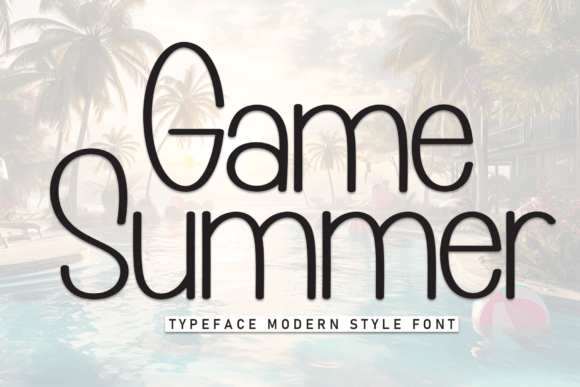
At its core, Game Clone is a premium font designed with a focus on fluidity and unique character. Each letterform is crafted with a graceful, flowing stroke that mimics the natural rhythm of handwriting. Unlike some script fonts that can feel overly formal or chaotic, Game Clone strikes a balance. It feels personal and approachable, yet refined enough for professional use. This makes it an incredibly versatile tool for designers, entrepreneurs, and creators who need a font that communicates both style and sincerity.
Where Game Clone Truly Shines: Practical Applications
The real value of a creative font like this is measured by its utility. Where does a delicate, flowing script fit into the practical world of design and marketing? The answer is: in more places than you might initially think.
For Branding and Logo Design: Your logo is the cornerstone of your brand identity. A script font like Game Clone can transform a simple wordmark into a memorable emblem. It’s particularly effective for businesses that want to convey a sense of craftsmanship, personal service, or boutique quality. Imagine it for a wedding planner, a artisan bakery, a boutique clothing label, or a high-end salon. The font does much of the emotional heavy lifting, suggesting a story and a human touch before a customer even reads the accompanying text.
In Digital Spaces and Web Design: On a website, Game Clone shouldn’t be used for body copy—that’s a job for a highly legible serif or sans serif font. Instead, it’s a powerful tool for creating visual hierarchy. Use it for hero section headlines, pull quotes, special offer announcements, or call-to-action buttons where you want to draw the eye and evoke a specific feeling. In social media graphics, it can make quotes, promotional announcements, and story highlights feel more personal and engaging, helping your content stand out in a fast-scrolling feed.
Across Print and Packaging: The elegance of Game Clone translates beautifully to physical media. In editorial design, it can add a sophisticated flair to magazine headers, chapter titles, or pull-out quotes. For packaging design, it’s a natural fit. Think of the label on a artisan coffee bag, the script on a candle box, or the branding on a luxury soap. It communicates quality and care. It’s also perfect for crafting projects, from custom stationery and invitation suites to personalized gift tags and scrapbooking elements.
Making the Choice: Using Game Clone Effectively
Adopting any new design asset requires a thoughtful approach. Here’s how to integrate Game Clone into your workflow for the best results.
Evaluate the Project Fit: Ask yourself what your project needs to communicate. Is it warmth, elegance, creativity, or approachability? Game Clone excels in these areas. It might not be the right choice for a corporate financial report or a technical manual, where clarity and neutrality are paramount. For a blog, a marketing campaign, or product packaging aimed at a consumer audience, however, it’s often an excellent match.
Master the Art of Font Pairing: This is where the magic happens. A script font should rarely be used alone for more than a headline. The key is to pair it with a more neutral, readable typeface for supporting text. A classic approach is to pair Game Clone with a clean, geometric sans serif font. The contrast between the organic, flowing script and the structured, modern sans serif creates a dynamic and professional layout. Alternatively, pairing it with a traditional serif font can yield a more classic, literary feel. Always test your pairings in context to ensure they work together harmoniously.
Consider Readability and Hierarchy: Use Game Clone strategically to guide the viewer’s eye. It’s perfect for primary headlines and short, impactful phrases where its personality can be appreciated without compromising readability. Avoid setting long paragraphs or small-sized text with it. Always check how it renders on different devices and in print, as some delicate scripts can lose clarity at very small sizes or on low-resolution screens.
Understand the Licensing: As a commercial font, Game Clone comes with a license that dictates how you can use it. Before incorporating it into a major branding project or a product for sale, review the license details. Ensure it covers your intended use, whether it’s for a single client project, unlimited commercial work, or inclusion in digital products like templates. This is a standard but crucial step in professional design work.
Game Clone is more than just a set of letters; it’s a design tool with a distinct personality. Its strength lies in its ability to add a layer of human connection and refined elegance to a wide array of projects. By understanding its characteristics and applying it thoughtfully, you can leverage this script font to create more engaging, memorable, and effective visual communications. It’s a testament to how the right typeface can elevate a design from simply informative to truly expressive.