Romancial: A Designer's Guide to This Elegant Serif Font
There’s a certain kind of project that demands more than just a standard font. It needs a voice that whispers sophistication, a style that feels both timeless and thoroughly modern. This is where a typeface like Romancial steps in. It’s not just a collection of letters; it’s a carefully crafted design asset with a distinct personality. For designers, marketers, and brand builders, understanding a font’s character is the first step to using it effectively. Romancial presents itself as a premium serif font, but with a unique flair that sets it apart in a crowded market.
The Visual Character of Romancial Serif
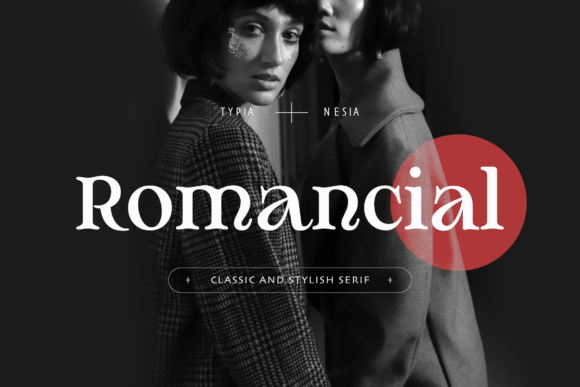
At its core, Romancial is a serif font, but it defies the stuffy, traditional expectations that sometimes come with the category. Its letterforms feature elegant, high-contrast strokes and gracefully curved terminals that give it a fluid, almost calligraphic quality. The serifs themselves are delicate and refined, adding structure without feeling rigid. This blend of classic proportion and modern, expressive details creates a typeface with real presence. It feels luxurious, artistic, and intentional. The overall appeal is one of cultured elegance—it’s the font you choose when you want your design to convey taste, quality, and a touch of artistic flair.
One of its most practical features is its extensive character set. Being PUA encoded is a significant advantage for any creative professional. This simply means that all the beautiful alternate letters, stylistic sets, and ligatures are easily accessible in any design software, even if you’re not using advanced OpenType features. You can access those stunning swashes and unique glyphs with a few clicks, allowing for effortless customization and truly unique typographic compositions without technical headaches.
Where Romancial Truly Shines: Practical Applications
The versatility of a well-designed display font like Romancial is its greatest strength. It’s not a workhorse body text font, but for headlines, logos, and branding elements, it excels. Let’s break down where it fits best.
In the world of brand identity, Romancial is a powerful tool. For a luxury cosmetics brand, it can evoke a sense of premium quality and timeless beauty. For a high-end boutique, it suggests curated elegance and personal service. Even for a modern art gallery or museum, its artistic flair can communicate a blend of historical reverence and contemporary vision. The font helps shape audience perception before they even read a word, setting a tone of sophistication and trust.
Editorial design and publishing benefit immensely from its style. Imagine it on the cover of a woman’s magazine, instantly signaling the content’s chic and polished nature. It’s equally at home on a book cover for a historical novel or a fantasy epic, where its expressive character can hint at the story within. For bloggers and content creators, using Romancial for post titles or website headers can elevate the entire aesthetic of a site, making it feel more professional and visually engaging.
The applications extend into packaging design and physical goods. On a wine label, a candle box, or premium stationery, this font adds a layer of tactile luxury. For web design and social media graphics, it serves as a striking headline font that captures attention in a fast-scrolling environment. Its clarity and personality make it ideal for hero sections, promotional banners, and special event invitations where first impressions are critical.
Making Romancial Work for Your Project
Choosing the right creative font is a strategic decision. Before selecting Romancial, consider the core message of your project. Does it align with values of elegance, artistry, and refined taste? If your brand is minimalist and starkly modern, it might feel out of place. But if your aim is to convey warmth, heritage, or artistic sophistication, it’s a strong candidate.
A key practice in typography is font pairing. Romancial, as a detailed and expressive serif, works beautifully with a clean, simple sans serif font for body text or supporting information. This creates a clear visual hierarchy, allowing Romancial to command attention in headlines while the sans serif ensures readability for longer passages. Avoid pairing it with another ornate script font or handwritten font, as this can create visual clutter and reduce legibility.
Always review the full family. Check what weights and styles are included—does it have a bold for emphasis? An italic for nuance? Test the alternates and ligatures to see how they can add uniqueness to a logo or title. For any commercial project, understanding the licensing is non-negotiable. Ensure the commercial font license covers your intended use, whether it’s for a client’s logo, a product line, or digital advertising.
Ultimately, Romancial is more than just a premium font; it’s a versatile design asset. It offers a solution for projects that need to bridge the gap between classic elegance and modern style. By understanding its personality and applying it thoughtfully to the right context, you can leverage its strengths to build stronger visual identities, create more compelling marketing materials, and produce designs that resonate with your audience on an aesthetic level. It’s about giving your project the voice it deserves.