The Office: A Sans Serif Gem for Modern Designers
Every once in a while, a typeface comes along that feels less like a collection of letters and more like a reliable creative partner. You know the one—it doesn’t scream for attention but somehow holds the entire design together. That is the essence of The Office. It is a versatile sans serif font that balances professional clarity with a subtle, approachable personality. It is not trying to be the loudest element in the room; it is there to ensure your message is heard clearly, whether that message is on a corporate identity document or a YouTube thumbnail.
Visual Characteristics and Personality
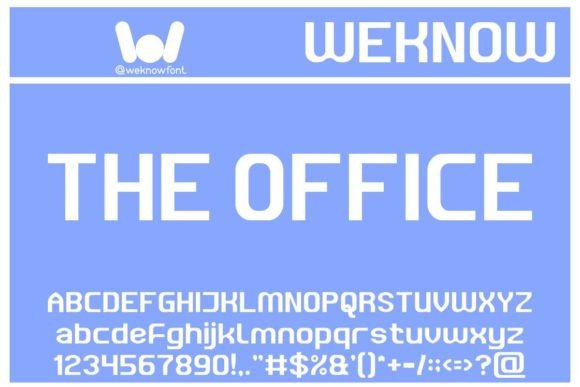
At its core, The Office is defined by clean geometry and open apertures. The letterforms are constructed with a modern sensibility, avoiding the stark, cold rigidity often found in traditional corporate typefaces. Instead, it offers a slightly warmer take on the sans serif genre. The spacing is generous, which aids legibility at small sizes—crucial for mobile viewing—and the x-height is optimized for screen rendering. It feels contemporary, fresh, and undeniably professional.
Think of the personality of this font as the "business casual" of typography. It carries the weight and authority needed for a powerful logo or a striking corporate identity, but it lacks the stuffiness of old-school banking fonts. This versatility makes it a premium font choice for designers who need a creative font that can pivot between serious business applications and more expressive editorial design projects. It is the typographic equivalent of a well-tailored blazer that looks just as good with jeans as it does with dress slacks.
Where The Office Shines: Applications and Use Cases
The true test of a typeface is how it performs in the wild. The Office is designed to be a workhorse, capable of handling a wide array of creative demands. It excels in environments where clarity is king, but style cannot be sacrificed.
Branding and Corporate Identity
For entrepreneurs and small business owners, building a brand identity is about trust. You need a font that signals reliability without being boring. The Office fits perfectly here. Use it for your logo design to project stability, or apply it across your stationery and packaging design to create a cohesive look. Its neutrality allows it to adapt to various industries, from tech startups to boutique consulting firms.
Digital Media and Content Creation
In the fast-paced world of digital media, attention spans are short. The Office aids in visual hierarchy, helping viewers instantly distinguish between headlines and body copy. It is an exceptional choice for web design, ensuring that your site remains readable across different devices. Content creators will find it invaluable for social media graphics. Whether you are crafting an engaging headline for an Instagram story or overlaying text on a video, this font maintains its integrity. It brings life to digital content without distracting from the imagery.
Editorial and Print Design
Don't mistake this for just a digital font. The Office holds its own in printed media. It is a fantastic option for editorial design, particularly in magazines and newspapers where headline legibility is paramount. For publishers working on books or comics, it can serve as a clean, modern caption font or chapter heading style. It adds an aesthetic flair to printed layouts, ensuring that your text pops off the page with confidence.
Specialized Projects
The versatility extends to niche markets as well. In the apparel industry, where trends shift rapidly, a clean sans serif is timeless. The Office works well on merchandise, from t-shirts to tote bags. It is also a strong contender for creative projects like music album covers, movie posters, or even game interfaces. Its modern typography style complements edgy, contemporary aesthetics, making it a great fit for entertainment media.
The Strategic Value of a Good Font
Choosing a font is not merely a decorative decision; it is a strategic one. The typography you select influences how your audience perceives your brand. A disjointed or hard-to-read font can subconsciously signal a lack of professionalism. Conversely, a high-quality, versatile sans serif like The Office promotes readability and audience engagement.
When you use a consistent typeface across your touchpoints—website, social media, print collateral—you build brand recognition. The Office allows for this consistency. Because it is a commercial font with robust licensing, you can use it freely across all your commercial projects without worrying about legal limitations. This peace of mind is essential for growing businesses.
Practical Tips for Implementation
To get the most out of The Office, consider how it interacts with other design assets.
- Font Pairing: Because The Office is a clean sans serif, it pairs beautifully with a traditional serif font for body text to create a classic, authoritative look. Alternatively, pair it with a script font or handwritten font for a more casual, human touch in designs for lifestyle brands or blogs.
- Testing for Fit: Before committing, test the font in the specific context of your project. Does it look good at the size of a mobile screen? Does it hold up when printed on textured paper? Evaluate the included styles—do you have enough weights (Light, Regular, Bold, Black) to create the necessary contrast in your designs?
- Readability Considerations: While the font is clean, always check your tracking and leading. Sometimes, a display font needs to be spaced out slightly more when used for large headlines to breathe, whereas body text needs tighter spacing for flow.
Ultimately, The Office is more than just a typeface; it is a design tool that facilitates clear communication. It doesn't demand to be the center of attention, but it elevates everything around it. For the designer, marketer, or business owner looking for a reliable, modern, and versatile addition to their toolkit, this font is a sound investment that will serve you well across countless projects.