Transform Your Projects with A Signature Script
In the vast landscape of digital assets, finding a typeface that balances personality with professionalism is often the most difficult part of the design process. We have all been there: scrolling through endless libraries of serif fonts and sans serif fonts, trying to find that one specific visual voice that doesn't look generic or overly decorative. This is where "A Signature Script" enters the conversation. It is not just another script font; it is a versatile typographical charm engineered to bridge the gap between casual elegance and structured design. Whether you are a seasoned graphic designer working on high-end branding or a hobbyist looking to elevate your Cricut crafts, understanding the nuances of this typeface can fundamentally change how you approach visual storytelling.
The Anatomy of Elegance: Visual Style and Personality
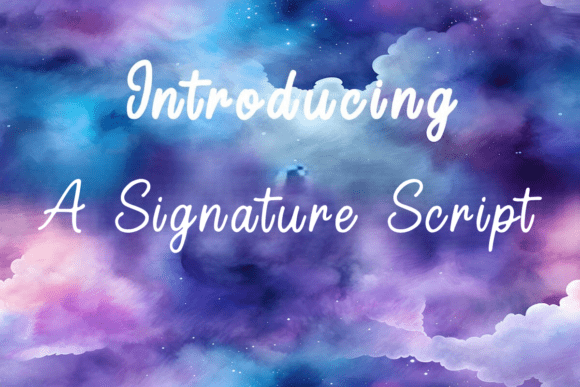
When we talk about a premium font, we are looking for more than just clean vector lines. We are looking for flow. "A Signature Script" is designed with a fluid, connected baseline that mimics the natural pressure and variation of a fountain pen. It avoids the rigid, robotic feel of many digital script fonts, offering instead a "modern typography" aesthetic that feels hand-crafted. The letterforms feature delicate swashes and ligatures that give it an air of sophistication without sacrificing legibility. It carries a personality that is adaptable—it can feel playful in a greeting card context, yet serious and trustworthy when applied to a logo design for a boutique consultancy. The visual weight is balanced, ensuring that it anchors a design without overwhelming the accompanying text.
Practical Applications: Where Typography Meets Strategy
The true test of any creative font is its utility across different mediums. One of the standout features of "A Signature Script" is its compatibility with SVG files and cutting machines. For the crafter, this means the font retains its intricate connections when weeding vinyl for clothing decals or creating intricate poster designs. However, its application extends far beyond the crafting table.
In the realm of brand identity, consistency is key. This font works exceptionally well for small business owners who need a cohesive look across both digital and physical touchpoints. Imagine a coffee shop menu that uses this typeface for headers; that same visual language can translate seamlessly to social media graphics, loyalty cards, and packaging design. For publishers and content creators, it serves as a powerful tool for editorial design, particularly for pull quotes or chapter titles where you want to draw the reader's eye and break the monotony of body text. It adds a human touch to digital interfaces, making web design feel warmer and more approachable.
Mastering the Pairing: Readability and Hierarchy
Using a display font effectively requires an understanding of visual hierarchy. You should rarely use a script font for long-form paragraphs; the eye gets tired, and readability plummets. Instead, "A Signature Script" should be reserved for impact. Use it for headlines, sub-headers, and calls to action.
The magic happens in the font pairing. Because this typeface has such a distinct character, it demands a grounding partner. A clean sans serif font with a uniform stroke width provides a beautiful geometric contrast to the organic curves of the script. Alternatively, pairing it with a sturdy serif font can create a classic, timeless aesthetic suitable for wedding invitations or luxury packaging design. When testing your pairings, pay close attention to the x-height. You want the lowercase letters of your supporting font to visually align with the midline of the script to maintain a rhythmic flow across your layout.
Technical Considerations and Commercial Use
Before integrating any new design assets into your workflow, a professional assessment is necessary. First, consider the licensing. As a commercial font, it is essential to verify that your specific use case—whether for a client's logo or mass-produced merchandise—is covered under the license agreement.
Next, evaluate the technical execution. Test the font at various sizes. A signature script often looks stunning at 48pt but may lose detail at 12pt. If you are using this for social media graphics, ensure the letter spacing (tracking) isn't too tight, as mobile screens can sometimes blur fine details. For those using "A Signature Script" in web design, consider load times and rendering. While it is a robust file, heavy script fonts can sometimes affect site speed if not optimized correctly.
Finally, look at the included styles. Many premium fonts come with alternate characters or stylistic sets. Taking the time to swap out a standard "t" for a more decorative swash version can add that extra layer of customization that makes a design feel truly bespoke. By treating "A Signature Script" not just as a font but as a strategic component of your visual narrative, you ensure that your projects resonate with the intended audience, striking the perfect balance between artistic flair and professional clarity.