Homestay: A Brush Script Font for Modern Brands
In a digital landscape saturated with the same handful of geometric sans serifs and predictable serifs, finding a typeface with genuine personality can feel like a chore. We see the same Gotham, Montserrat, and Playfair Display combinations everywhere. While functional, they often lack the human touch that makes a brand feel approachable and real. That’s where a character-driven premium font like Homestay enters the conversation. It isn’t just another script font; it’s a handwritten font designed with a specific, modern aesthetic that bridges the gap between casual warmth and professional polish.
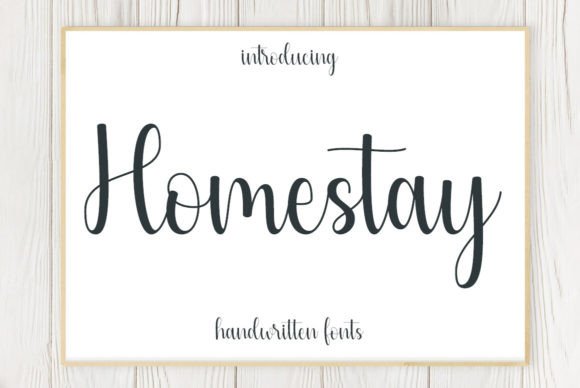
Visually, Homestay is defined by its brush touch. It mimics the fluidity of ink on paper, offering a natural, organic texture that digital vector art often struggles to replicate. However, it avoids the chaotic, overly messy look of some grunge fonts. The letterforms are legible, with a contemporary baseline that keeps it grounded. It reads as a modern typography choice because it balances that laid-back vibe with a distinct structure. For designers and entrepreneurs, this distinction is crucial. You get the charm of a creative font without sacrificing the clarity needed for effective communication. It’s the kind of typeface that feels personal, as if it were written just for the viewer.
Defining a Visual Voice with Homestay
Every typeface carries a voice. A rigid sans serif might shout "efficiency," while an ornate serif might whisper "tradition." Homestay speaks a language of effortless style. It possesses a contemporary appeal that makes it an exceptional tool for brand identity. When you use this font, you are immediately signaling that your brand values individuality and a personal connection over corporate sterility.
This personality makes Homestay particularly striking in specific contexts. Consider wedding invitations or stationery. Here, the font infuses romance with a modern edge. It moves away from the stiff, copperplate scripts of the past and offers something fresh yet equally elegant. For logo design, Homestay provides a unique signature that is memorable. Think of a boutique coffee roaster, a lifestyle blog, or a handcrafted ceramics studio. The brush strokes of Homestay suggest that care and human effort went into the product, which is a powerful psychological trigger for consumers.
Practical Applications: Where Brush Script Shines
Understanding where to deploy a display font like Homestay is just as important as liking how it looks. Because it is a creative font, it excels in applications where grabbing attention and conveying emotion are the primary goals.
- Fashion and Merchandising: Homestay adds a chic flair to apparel. It works beautifully on t-shirt designs, tote bags, and hang tags. It gives merchandise a boutique, limited-edition feel rather than a mass-produced one.
- Cardmaking and Packaging: For crafters and small business owners, packaging design is a key differentiator. Homestay brings an artistic finesse to box art, sticker labels, and greeting cards. It captures attention on a crowded shelf or a mantlepiece.
- Digital Presence: In the realm of social media graphics, standing out is difficult. A font with brush energy breaks the monotony of standard feed posts. It is also effective in web design for hero sections or pull quotes, provided it is used sparingly to maintain impact.
- Editorial Design: In magazines or blog headers, Homestay can serve as a striking counterpoint to clean body text. It adds a layer of texture to editorial design that draws the eye.
Strategic Implementation: Readability and Hierarchy
While Homestay is a versatile commercial font, it requires a strategic approach to typography. As a general rule in modern typography, script and handwritten fonts should rarely be used for body copy. The eye tires quickly when reading long paragraphs in a brush style. Instead, use Homestay for headlines, sub-headers, and accents.
When using Homestay, pay attention to visual hierarchy. Pair it with a clean sans serif font or a simple serif font. The contrast between the organic brush strokes of Homestay and the structured geometry of a sans serif creates a dynamic layout. This font pairing ensures that your message remains professional and readable while retaining that signature flair. For example, a bold, tall sans serif for technical details paired with Homestay for the emotional hook creates a balanced composition.
Evaluating the Fit for Your Project
Before integrating any new design assets into your workflow, it is wise to test the fit. Homestay is an excellent choice if your brand voice is approachable, artistic, or lifestyle-oriented. If your brand is strictly corporate, legal, or medical, a brush font might confuse your audience. However, for creative industries, hospitality, and retail, it is a strong contender.
When you evaluate Homestay, look at the included styles. A high-quality font often comes with alternates or ligatures that allow you to customize the flow of the letters. This prevents the "digital" look where two identical letters sit next to each other without connecting naturally. Check the licensing as well; a premium font usually comes with a license that covers both digital and print usage, which is essential for entrepreneurs scaling their business across different mediums.
Ultimately, Homestay is more than just a collection of vectors. It is a tool for connection. By incorporating a handwritten font with this level of quality into your brand identity, you move beyond generic templates. You create a visual language that feels lived-in, stylish, and distinctly yours.